Is Evening Coffee a Strict No? The Science of Caffeine Half-Life and Clearance Time
Why does an evening coffee disrupt your sleep? Learn about the mechanism of caffeine's half-life and how long it takes to clear your system. A guide to managing caffeine intake for a better night's sleep.
How Long Does It Take for Caffeine to Clear Your System?
Many people habitually drink coffee in the afternoon or evening for a quick boost. However, that single cup might be significantly degrading the quality of your sleep. Understanding how caffeine is processed in your body and how long its effects linger is essential for maintaining optimal performance and health.
The key metric for understanding this process is "half-life."
The Caffeine Half-Life: The 4 to 6 Hour Trap
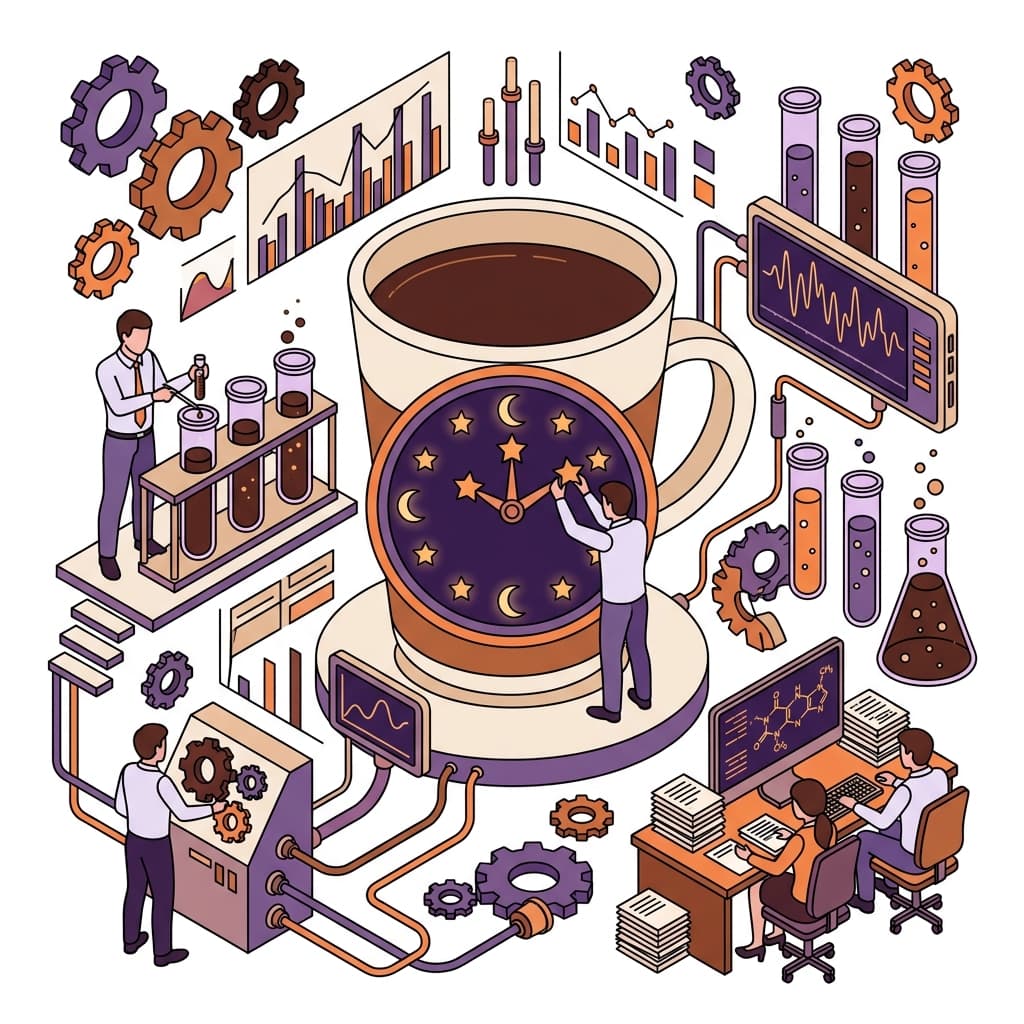
The "half-life" refers to the time it takes for the concentration of a substance in your blood to be reduced by half. For healthy adults, the half-life of caffeine is typically 4 to 6 hours.
This means if you consume 100mg of caffeine (about one cup of coffee) at 4:00 PM, approximately 50mg is still circulating in your system at 10:00 PM. It takes considerably longer—often more than double that time—for the caffeine to completely clear your system to a level where it no longer affects you.
Caffeine Intake CalculatorTrack your daily caffeine intake and learn your safe consumption limits.Severe Impacts on Sleep
Going to bed with caffeine still in your system can lead to several negative effects on your sleep:
- Difficulty Falling Asleep: Your brain remains in an alert state, making it harder to drift off.
- Reduction in Deep Sleep (Slow-Wave Sleep): The crucial sleep stage required for physical and mental recovery is shortened.
- Increased Nighttime Awakenings: You become more prone to waking up during the night, disrupting sleep continuity.
Even if you claim, "I can fall asleep fine after drinking coffee," EEG scans often reveal a reduction in deep sleep, which leads to next-day fatigue and daytime grogginess.
Sleep CalculatorWhat time should I sleep? Calculate your 90-minute sleep cycles to wake up refreshed.Rules for Evening Caffeine Consumption
To ensure high-quality sleep, you must strategically manage your caffeine timing.
- Stop Caffeine 6 to 8 Hours Before Bed: If you plan to sleep at 11:00 PM, ideally, you should avoid caffeine after 3:00 PM.
- Opt for Decaf in the Evening: If you truly want to enjoy a warm beverage after dinner, choose decaffeinated coffee, barley tea, or herbal teas.
- Beware of Hidden Caffeine: Green tea, black tea, energy drinks, cola, certain chocolates, and even some cold medications contain caffeine. Avoiding only coffee isn't enough.
Frequently Asked Questions (FAQ)
Q. Does the speed of caffeine clearance vary by individual? A. Yes, genetic factors, liver function, smoking habits, and age can significantly alter the half-life. For instance, pregnant women or those taking oral contraceptives tend to metabolize caffeine much slower.
Q. Do energy drinks clear out of the system faster? A. Clearance speed depends on the total amount of caffeine and your physiology, not fundamentally on the beverage type. Energy drinks often contain high concentrations of caffeine, requiring even more caution.
Q. Will drinking a lot of water flush caffeine out faster? A. Caffeine is metabolized by the liver. While drinking water keeps you hydrated, it does not dramatically speed up the actual metabolic breakdown of caffeine. You simply have to wait for time to pass.
Conclusion: Drink Smart, Sleep Better
That late-afternoon coffee is often the hidden culprit behind "sleep debt" and poor performance the next day. By being mindful of caffeine's half-life and establishing a habit of avoiding it in the latter half of the day, you can dramatically improve your sleep quality. Why not try a "caffeine cutoff" after 3:00 PM starting today?