Reaction Time Training: The Science Behind Brain Training and How to Improve
Explore the science of reaction time and how brain training improves it. Learn average reaction times, age-related changes, and practical applications.
Whether you want to improve athletic performance, counteract age-related slowdown, or simply satisfy curiosity about your own reflexes, reaction time is one of the most measurable — and trainable — aspects of human performance.
What Is Reaction Time?
Reaction time is the interval between receiving a stimulus and initiating a response.
Types:
- Simple reaction time: One stimulus, one response (e.g., press button when light turns green)
- Choice reaction time: Multiple stimuli, matching responses (e.g., press red button for red light, green for green)
Average simple reaction times: ~200–250 ms for visual stimuli, ~150–200 ms for auditory stimuli.
Reaction TestTest and improve your visual reaction time in milliseconds.Factors That Influence Reaction Time
Age: Reaction time peaks in the early 20s and gradually declines. Neural conduction slows, and more cognitive processing is required. However, regular training minimizes age-related decline.
Practice: Repetitive training optimizes neural circuits. This is why experienced athletes "react faster" — they've automated the relevant movement patterns.
Alertness: Sleep deprivation, alcohol, and fatigue significantly slow reaction times. Focused attention can improve reaction speed by 30–50 ms.
Anticipation: Predicting the next stimulus dramatically reduces apparent reaction time — a core skill in sports.
The Science of Reaction Training
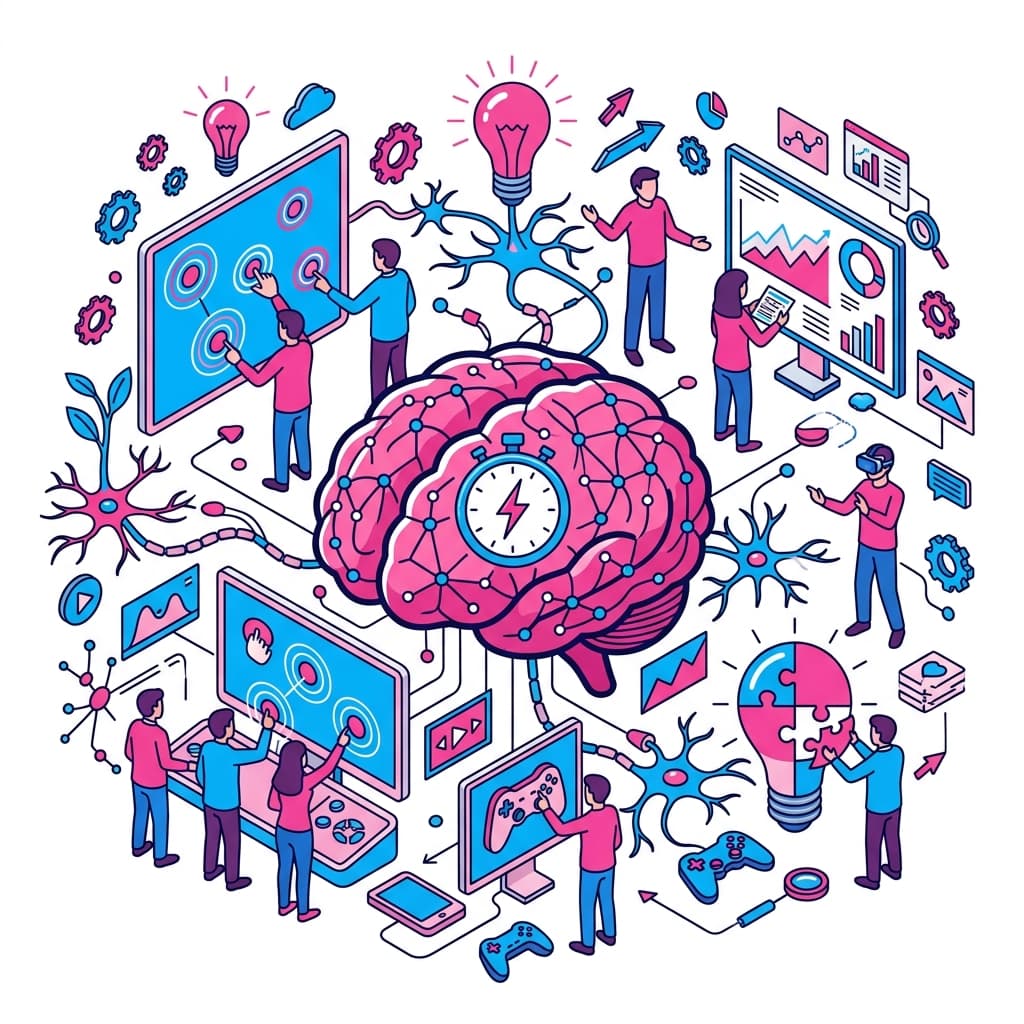
Neuroplasticity and training effects:
With consistent practice, the brain and nervous system adapt through:
- Enhanced neural transmission efficiency (myelination)
- Automatization of motor programs
- Faster attentional processing
Transfer effects: Training benefits aren't limited to the specific task practiced. Visual reaction training has been applied to improve surgical precision — the effects generalize to related cognitive and motor functions.
Reaction TestTest and improve your visual reaction time in milliseconds.Practical Training Methods
1. Digital reaction training Regular timed tests let you track progress objectively. 5–10 minutes of daily practice produces measurable improvement over weeks.
2. Racket and ball sports Table tennis, badminton, squash — these demand rapid visual processing integrated with precise motor response, making them excellent reaction trainers.
3. Action video games Multiple studies show action game players have significantly faster visual reaction times and better multi-tasking ability than non-players. Balance with healthy sleep and exercise.
4. Aerobic exercise and sleep Cardio increases cerebral blood flow, improving cognitive speed. Sleeping fewer than 6 hours dramatically slows reaction time — adequate sleep is non-negotiable for peak performance.
FAQ
Q: How much of reaction speed is genetic? A: Genetic factors account for roughly 25–36% of reaction time variance. The majority is influenced by training, lifestyle, and health — meaning significant improvement is available to everyone.
Q: How fast are pro gamers? A: Professional FPS gamers average ~150–180 ms — significantly faster than the 220–250 ms typical for non-gamers. This is highly task-specific, developed through intensive specialized training.
Q: Can older adults still improve reaction speed? A: Yes. Studies confirm reaction time improvements in older adults through consistent training. Practical benefits include reduced fall risk and improved driving safety.
Summary
Reaction time is a trainable skill. Start by measuring your baseline, then combine digital reaction training with physical activity and proper sleep. Track your progress — the improvement is real, measurable, and extends to performance in sports, work, and daily life.