Business Writing Proofreading Techniques: Common Mistakes and How to Fix Them
Practical proofreading techniques for business emails, reports, and presentations. Learn to catch common errors and elevate your writing quality.
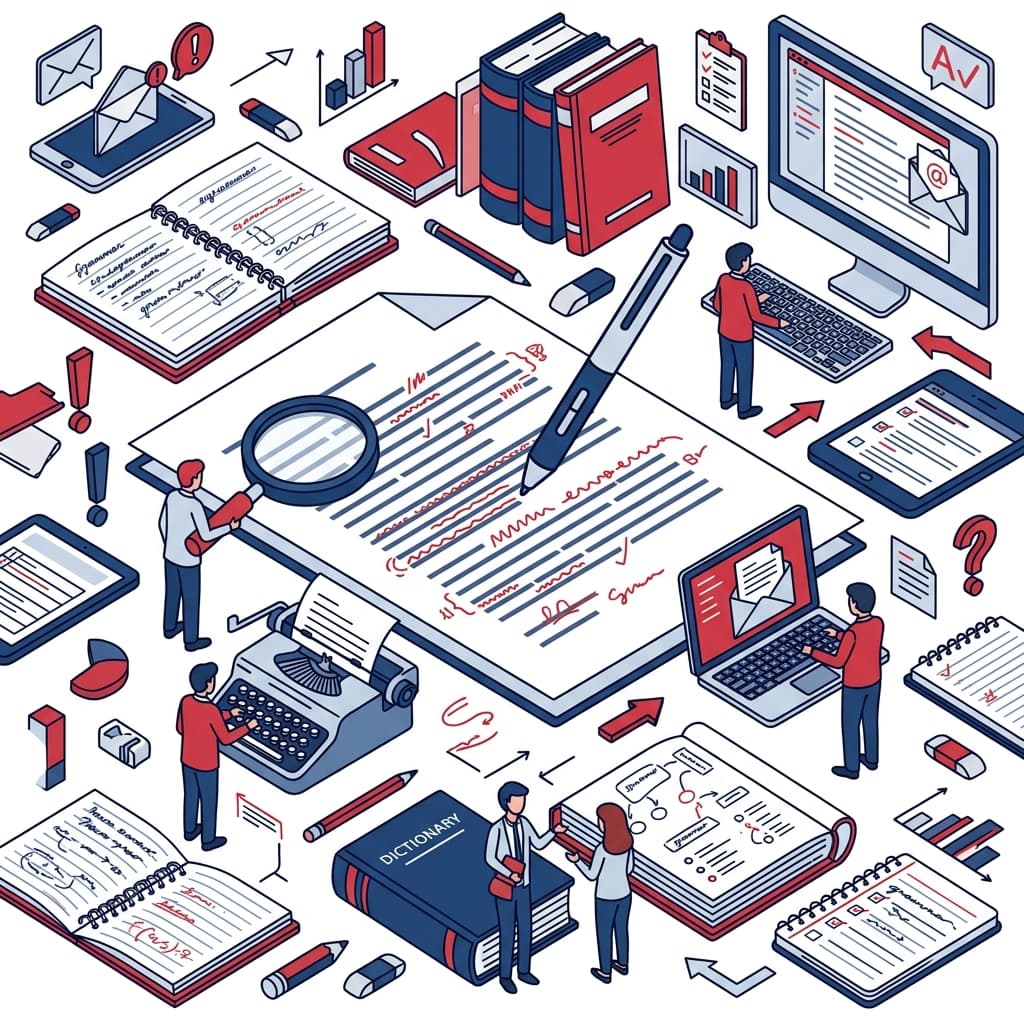
A single error in a business document — a typo, misused honorific, or wrong figure — can undermine trust built over months. Effective proofreading is a professional skill worth developing.
Why Business Writing Quality Matters
Poor document quality creates:
- Trust erosion: Careless errors signal carelessness in work
- Miscommunication: Ambiguous phrasing leads to costly misunderstandings
- Brand damage: External documents reflect your organization's standards
Common Error Patterns
1. Typos and Missing Characters Homophone errors are particularly tricky — spell checkers won't catch words that are spelled correctly but used in the wrong context.
2. Inconsistent Terminology Using "e-mail," "email," and "Email" interchangeably in the same document is unprofessional. Create a style guide and stick to it.
3. Punctuation Issues Sentences over 50-60 words without punctuation become difficult to read. Proper comma placement also changes meaning: "Let's eat, Grandma" vs. "Let's eat Grandma."
4. Number and Name Errors Dates, amounts, product names, and personal names must match source documents exactly. These errors erode credibility most severely.
5. Tone Inconsistency Mixing formal and casual registers in the same document creates an unprofessional impression.
Efficient Proofreading Steps
Step 1: Read Aloud Vocalizing forces you to process every word individually, catching errors you'd skip when reading silently.
Step 2: Take a Break First Proofreading immediately after writing causes you to read what you meant to write, not what you actually wrote. Return after at least 30 minutes.
Step 3: Read Backwards Reading from the last sentence to the first prevents the narrative flow from masking individual word errors — especially useful for catching typos.
Step 4: Use a Checklist Create type-specific checklists covering: proper nouns, numbers, formatting consistency, honorifics, and terminology. Use templates for recurring document types.
Step 5: Leverage Digital Tools AI proofreading tools catch what humans miss. However, tools are assistants — final judgment requires human review.
Proofreading CheckerDetect double-keigo, redundant phrases, ra-nuki words, and other issues.FAQ
Q: How do I proofread effectively when under time pressure? A: Focus on the highest-risk elements first: numbers, names, dates, and the opening and closing sentences. For long documents, read the first and last sentence of each paragraph to catch structural errors quickly.
Q: Should I use grammar checkers for business writing? A: Yes, as a first pass. Modern AI tools catch many errors, but may not understand industry-specific terminology or cultural nuances. Always review their suggestions critically.
Q: How can I reduce errors in the first place? A: Structure your writing before drafting. Use simple, direct sentences. Avoid jargon unless your audience expects it. The fewer complex constructions you use, the fewer errors you'll make.
Summary
Excellent business writing is built on rigorous proofreading habits. Apply the five-step process — read aloud, take breaks, read backwards, use checklists, and leverage tools — and your documents will consistently reflect your best work.