Best Foods and Recovery Tips for Hangovers: What Science Says About Alcohol Metabolism
Hangovers are caused by acetaldehyde buildup and electrolyte depletion. Learn which foods speed recovery (miso soup, eggs, honey), the science behind alcohol metabolism, and what common 'cures' actually don't work.
What Causes a Hangover?
"Head pounding, feeling nauseous, completely drained" — the morning-after experience many drinkers know too well. To recover faster, it helps to understand the underlying cause.
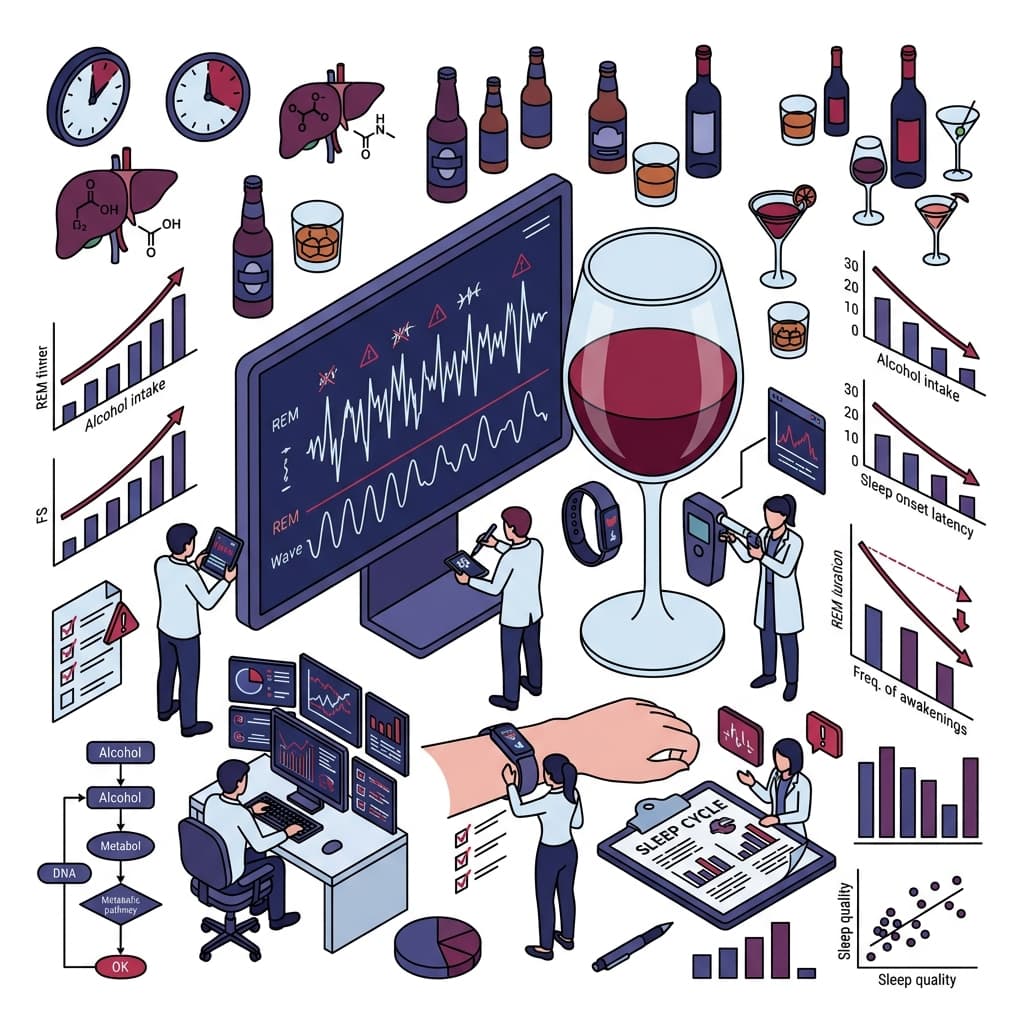
When you drink alcohol (ethanol), your body metabolizes it in stages:
Ethanol → Acetaldehyde (toxic) → Acetic Acid → Water + CO₂
The first conversion is handled by alcohol dehydrogenase (ADH). The culprit is the intermediate: acetaldehyde. This compound is 5–10 times more toxic than ethanol itself, and is primarily responsible for headaches, nausea, increased heart rate, and flushing.
Aldehyde dehydrogenase (ALDH2) breaks down acetaldehyde — but approximately 40–45% of Japanese people have a less active variant of this enzyme, making hangovers more severe.
How Fast Is Alcohol Metabolized?
The body processes roughly 0.1g of alcohol per kg of body weight per hour. For a 60kg person, that's about 6g per hour.
A single serving of Japanese sake (180ml at 15%) contains ~21.6g of pure alcohol — taking about 3.6 hours to fully metabolize. One can of beer (350ml at 5%) contains ~14g, taking roughly 2.3 hours.
The Second Cause: Electrolyte and Fluid Depletion
Alcohol is a powerful diuretic — it causes your kidneys to excrete more fluid than usual, taking electrolytes (sodium, potassium, magnesium) along with it.
This electrolyte depletion causes:
- Headaches (affecting vascular tone)
- Fatigue and weakness
- Muscle cramps
Best Foods and Drinks for Hangover Recovery
① Miso Soup (Highly Recommended)
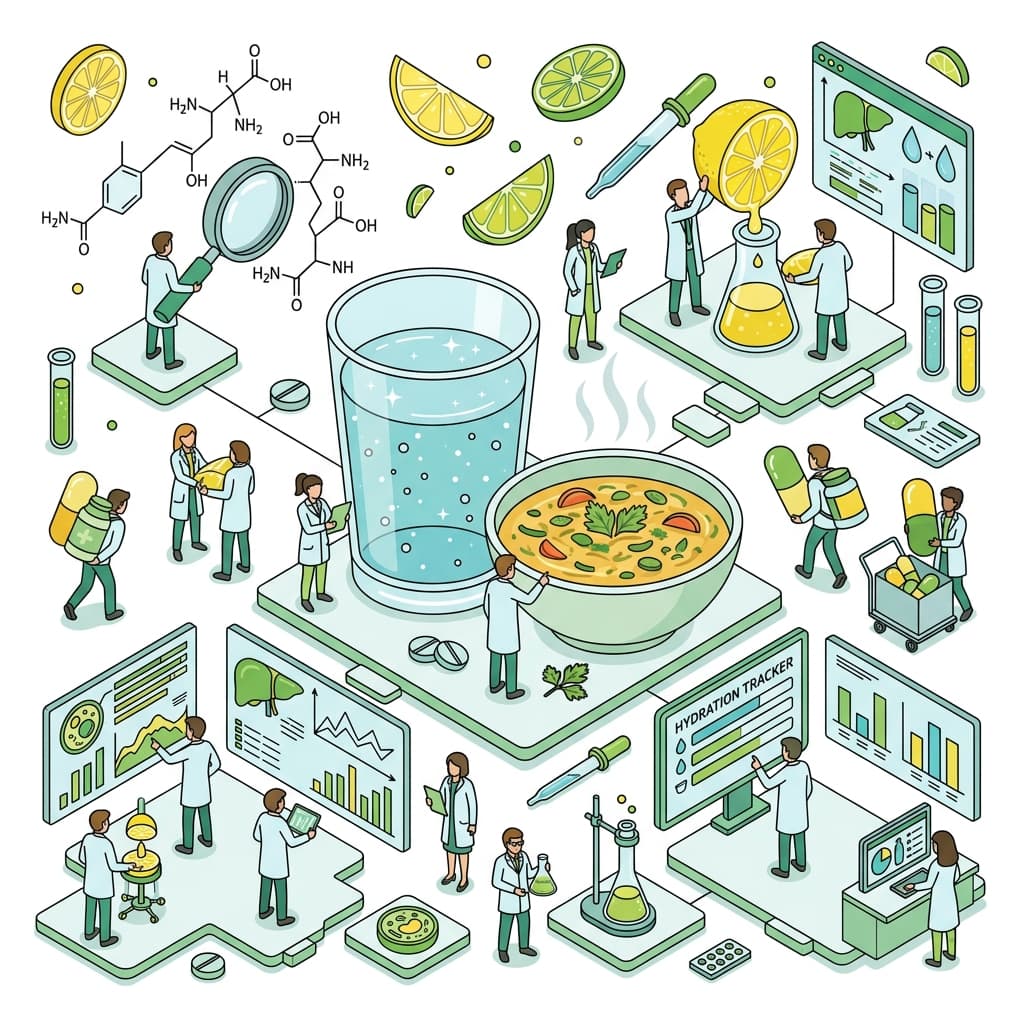
Miso soup is a standout hangover remedy:
- Rehydration: Replenishes lost fluids
- Electrolytes: Provides sodium and potassium simultaneously
- Cysteine: An amino acid in miso that helps break down acetaldehyde
- Gentle on the stomach: Low irritation for inflamed stomach lining
② Eggs
Eggs are rich in L-cysteine, an amino acid that binds to acetaldehyde in the liver, reducing its toxic effects. Soft-boiled, scrambled, or in soup form is gentlest on a sensitive stomach.
③ Honey
The fructose in honey can accelerate alcohol metabolism. Some studies suggest fructose intake may speed up alcohol clearance by 25–30%. Mix a teaspoon in warm water for hydration and metabolism support.
④ Bananas
Bananas replenish potassium lost through diuresis, and their natural sugars (fructose and glucose) help correct low blood sugar, improving energy levels.
⑤ Sports Drinks
Electrolyte drinks provide a balanced combination of fluids, sodium, potassium, and sugar. Opt for lower-sugar varieties if possible.
Alcohol Intake CalculatorEstimate exactly when alcohol will completely clear from your system. BAC CalculatorCalculate Blood Alcohol Concentration and estimated time to sober up based on weight and drinks.What Doesn't Work (Common Myths)
"Hair of the Dog" — Avoid It
Drinking more alcohol to cure a hangover temporarily masks symptoms but further delays acetaldehyde clearance and increases the risk of alcohol dependence.
Greasy Food in the Morning
While a fatty meal before drinking slows alcohol absorption, eating greasy food the morning after can put additional strain on an already-irritated stomach. Stick to gentle foods like congee, miso soup, or bananas.
Excessive Coffee
Coffee's diuretic effect can worsen dehydration. While caffeine may temporarily relieve headaches (it causes mild vasoconstriction), excessive intake is counterproductive.
3 Prevention Strategies
1. Alternate Water with Drinks
Drink one glass of water alongside each alcoholic drink to offset diuresis. Have at least one full glass before bed.
2. Never Drink on an Empty Stomach
Food (especially protein and fat) slows gastric emptying, reducing the rate of alcohol absorption and lowering peak blood alcohol concentration.
3. Know Your Limit
Alcohol tolerance varies substantially based on weight, sex, and genetic factors (ALDH2 activity). Understanding your personal threshold is the most reliable prevention.
FAQ
Q: How long does a hangover last? A: Mild hangovers typically resolve within 12–24 hours. Severe cases may take up to 48 hours. Recovery follows the complete metabolic clearance of alcohol and acetaldehyde.
Q: Can I take pain relievers? A: NSAIDs (ibuprofen, aspirin) can irritate the stomach lining and worsen gastrointestinal discomfort. Acetaminophen (paracetamol) carries a risk of liver toxicity when the liver is already busy processing alcohol. Consult a pharmacist before taking any pain reliever while hungover.
Q: Does exercise help? A: Light walking may improve circulation and mood. However, vigorous exercise further worsens dehydration and puts extra strain on a recovering body — not recommended during a hangover.
Conclusion
The fastest path to hangover recovery is accelerating acetaldehyde clearance and replenishing lost fluids and electrolytes. Miso soup, eggs, honey, and bananas are your best allies. Rest is equally important.
Folk remedies like "hair of the dog" or greasy breakfasts lack scientific support and can backfire. Above all, managing your intake before you start drinking remains the most effective strategy.
Alcohol Intake CalculatorEstimate exactly when alcohol will completely clear from your system.Related Articles